30 Questions to Ask in Your First 1-on-1 With a New Manager
•
6
MIN READ

AI Summary by Fellow
Your first one-on-one meeting with a new manager shapes your entire working relationship. It's your chance to build trust, clarify expectations, and show initiative—but only if you come prepared with the right questions.
The challenge? Most employees walk into their first 1-on-1 without a plan. They wing it, miss opportunities to surface important topics, and forget what was discussed within days. Context gets lost. Follow-ups slip. The relationship starts on shaky ground.
This guide gives you 30 questions to ask during your first 1-on-1, organized by topic, plus best practices for making every manager conversation count.
What is a 1-on-1 meeting?
A one-on-one meeting is a recurring, private conversation between a manager and direct report focused on priorities, feedback, career development, and removing obstacles. Unlike team meetings, 1-on-1s create dedicated space for topics you can't address publicly—coaching on strengths and weaknesses, discussing career goals, and building the trust that drives engagement.
How you feel about your manager often dictates how you feel about your job. Research consistently shows that manager relationships are the top predictor of employee satisfaction and retention. That's why effective 1-on-1s matter: they're the foundation of a productive, supportive working relationship.
Your first 1-on-1 is especially important. It sets expectations, establishes communication norms, and signals whether you're someone who takes initiative. The questions you ask—and how you follow through afterward—shape how your manager perceives you from day one.
Use Fellow's AI meeting assistant to record 1-on-1s, generate searchable notes, and track action items—so both parties stay aligned without manual note-taking. Start your free trial →
30 questions for your first 1-on-1 with a new manager
Questions to build rapport (introductions)
Start by getting to know your manager as a person. These questions help establish connection and give you insight into their background and working style.
What brought you to work for this company?
What company did you come from, and what role were you in previously?
What do you enjoy doing outside of work?
What's one thing you'd like to do more of in your spare time?
What's the most exciting part of your job right now?
What would you like to know about me?
How would you describe your management style?
Questions about onboarding priorities
Clarify what success looks like in your first weeks. These questions help you prioritize effectively and avoid spinning your wheels on low-impact work.
What can I focus on this week as I familiarize myself with the team?
Which projects would you like my support on first?
Are there any tasks or deliverables I should prioritize immediately?
Who should I go to if I have questions about specific tools or processes?
How would you like me to communicate progress on onboarding tasks?
What does success look like for me in my first 30 days?
Questions about expectations and feedback
Understand how your manager evaluates performance and what skills they value most. These questions surface unspoken expectations before they become problems.
What steps can I take right now to progress my career here?
What's a skill you think I could develop that would help me excel in this role?
Where do you see my role evolving in the next 6-12 months?
What mentorship or training opportunities are available?
What skills do you think our team is currently lacking?
Who in the company do you think I could learn the most from?
. If I could improve one skill before our next meeting, which would have the biggest impact?
. How do you prefer to give and receive feedback?
Questions about goals and career development
Connect your personal ambitions to business objectives. These questions show you're thinking long-term and want to grow with the organization.
How do you see my personal goals aligning with the team's priorities?
What's the best way for me to track and communicate progress on goals?
How often should I check in with you about goal progress?
In the next year, I'd like to take on more [specific responsibility]. How might that fit with upcoming initiatives?
What obstacles might I face in achieving my long-term career goals?
What support can you offer as I work toward the goals I've shared?
How do you see my role evolving over the next few years?
Who inspires you? Do you have any mentors?
What changes would you like to see in the team or organization as a whole?
How to make your 1-on-1s more effective
Asking good questions is only half the equation. The best 1-on-1s also capture what's discussed, track follow-ups, and build on previous conversations. Here's how to make every manager meeting count.
Use an AI meeting assistant to capture notes automatically
Manual note-taking during 1-on-1s creates a tradeoff: focus on the conversation and lose details, or capture everything and miss the human connection. Neither works well.
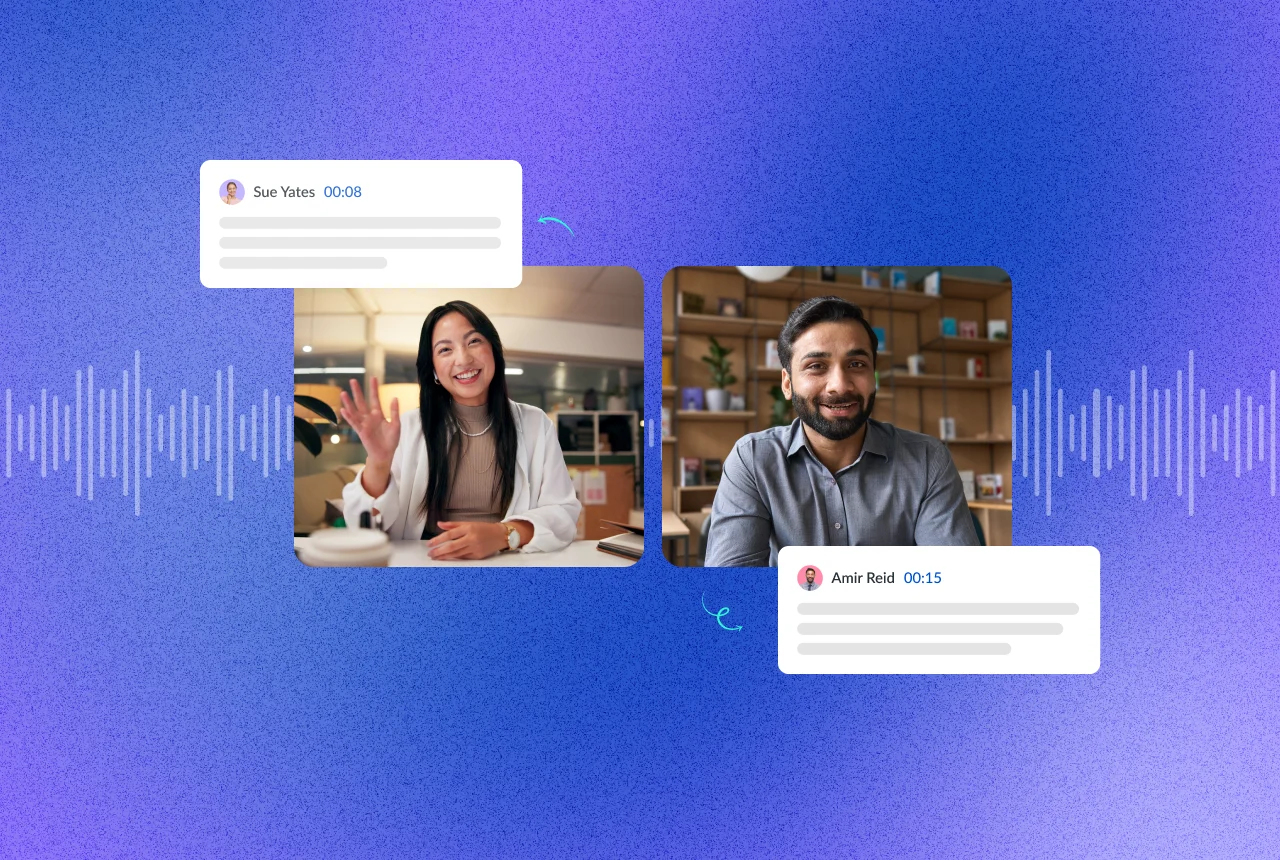
Modern teams eliminate this tradeoff with AI meeting tools that record, transcribe, and summarize conversations automatically. Instead of scribbling notes, you stay present. Instead of forgetting what was said, you have a searchable record you can reference before your next meeting.
If you've been losing important context between 1-on-1s—or spending time after meetings typing up notes—an AI meeting notetaker changes everything. Fellow captures your conversations across Zoom, Google Meet, Teams, and even in-person meetings, then generates AI meeting notes you can search, share, and reference. Try it free →
Build a collaborative meeting agenda
A shared agenda ensures both you and your manager can add topics before the meeting, see what's coming, and prepare thoughtful responses. No more awkward silences or forgotten discussion points.
The best 1-on-1 agendas are living documents that both parties contribute to throughout the week. When something comes up that you want to discuss, add it immediately—don't rely on remembering it later.
Fellow lets managers and direct reports collaborate on agendas in real-time. Both people see what's queued for discussion, can add context or supporting links, and arrive prepared. It's the difference between a productive 30 minutes and a meandering conversation that accomplishes nothing.
Use a consistent meeting template
Starting from scratch every meeting wastes time and leads to inconsistent coverage. A template ensures you regularly address the topics that matter: priorities, blockers, feedback, and development.
Effective 1-on-1 templates typically include sections for:
What's top of mind this week
Progress on current priorities
Blockers or challenges
Feedback (giving and receiving)
Career development and growth
Using the same structure builds rhythm into your 1-on-1s. Both parties know what to expect, preparation becomes habitual, and important topics don't slip through the cracks.
Capture action items automatically
The most common failure mode for 1-on-1s: great discussion, zero follow-through. You agree on next steps, then both parties forget what was committed.
AI meeting tools solve this by extracting action items automatically—capturing who's responsible, what they committed to, and when it's due. No more manually writing down tasks or wondering what you agreed to do.
Fellow integrates with 50+ tools including Asana, Jira, Linear, and Slack, so action items from your 1-on-1s flow directly into the systems where work actually happens. That means commitments don't live in meeting notes that nobody revisits—they become tracked tasks with owners and due dates.
Search past conversations before your next meeting
Walking into a 1-on-1 without context from previous conversations signals that you're not invested in the relationship. But reviewing old notes manually takes time most people don't have.
The best preparation for any 1-on-1 is a quick search of what you've discussed before. What did your manager mention they'd follow up on? What feedback did they give that you should address? What goals did you commit to?
Fellow's Ask Fellow feature lets you query your meeting history with natural language: "What did Sarah say about my promotion timeline?" or "What action items are outstanding from my last three 1-on-1s?" You get instant answers from your own conversations—no digging through documents.
Frequently asked questions
What should I ask in my first 1-on-1 with a new manager?
Focus on four categories: rapport-building questions to get to know your manager as a person, onboarding questions to clarify immediate priorities, expectation questions to understand how success is measured, and career development questions to align your growth with team objectives. The 30 questions in this guide cover all four areas and demonstrate initiative from day one.
How do I prepare for a 1-on-1 meeting?
Effective preparation includes three steps: review notes from your previous conversation (or use an AI assistant to surface key points), add any topics you want to discuss to a shared agenda, and identify specific questions or updates you want to cover. Arriving prepared shows respect for your manager's time and leads to more productive conversations.
How often should you have 1-on-1 meetings?
Most effective manager-report relationships include weekly or biweekly 1-on-1s lasting 30-60 minutes. Weekly meetings work best for new employees, during high-change periods, or when there's a lot to align on. Biweekly meetings can work once the relationship is established and communication flows naturally through other channels.
How do I take notes during a 1-on-1 without being distracted?
Use an AI meeting assistant to record and transcribe the conversation automatically, so you can focus on listening and engaging rather than typing. Tools like Fellow generate searchable meeting notes and extract action items without requiring manual note-taking. This ensures you capture everything while staying fully present in the conversation.
What makes a 1-on-1 meeting effective?
Effective 1-on-1s share several characteristics: a collaborative agenda both parties contribute to, consistent structure that ensures key topics are covered, captured notes and action items for accountability, and follow-through on commitments made in previous meetings. The goal is a recurring rhythm that builds trust and surfaces issues before they become problems.
How do I build trust with a new manager?
Trust builds through consistency: showing up prepared, following through on commitments, communicating proactively about challenges, and asking thoughtful questions that show you care about the relationship. Your first 1-on-1 sets the tone—arriving with strategic questions and capturing the conversation professionally signals that you take the relationship seriously.
Start making your 1-on-1s count
Your first one-on-one with a new manager is an opportunity to demonstrate initiative, clarify expectations, and begin building the trust that makes work enjoyable. The 30 questions in this guide help you make the most of it.
But great questions are only the beginning. The teams with the best manager-report relationships don't just have good conversations—they capture what's discussed, track commitments, and build on previous meetings instead of starting from scratch.
Stop letting important context disappear after every 1-on-1. Fellow turns your manager conversations into searchable intelligence, automatically captures action items, and helps you show up prepared every time.
Record, transcribe and summarize every meeting with the only AI meeting assistant built with privacy and security in mind.